An Outlook on Fame Economy in the USA
Exploitation of fame to satisfy economic cravings is not a thing of the past. Its exploitation as an economic system has made way for earning more money with less investment. The concept of the Fame economy in the USA has now moved from simple product endorsements to sophisticated celebrity-powered brand equity.
As we navigate a digital age where visibility speaks louder than the worth of something, and with fame, celebrities are standing at the forefront of visibility. People are constantly online, counting followers, monitoring box office numbers, tracking streams, and refreshing feeds for the latest updates on celebrities. Nowadays, popularity is easy to measure. However, value still struggles to get its worth.
What is the Fame Economy?
A fame economy sees attention, visibility, and reputation as a form of currency. Confused? Let me make this a bit clearer. Just as we accumulate wealth or currency, trade them, and leverage them for profit or any kind of gain, fame is also accumulated, traded, and leveraged in the modern-day economy to gain profits. While operating on the accumulation of the digital presence, short-term attention often overrules long-term influence in this fame-powered economy.
In a fame economy, celebrities and popular personalities manage their visibility to extend influence over time. This economic system prioritizes rewarding high-volume attention over lasting reputation.
This article by The Silicon Journal unveils the narrative behind the growing development and popularity of the fame economy in the United States. As one of the most reputable business magazines in Texas, USA, our insights on diverse fields keep our readers hooked to our content.
How Fame Sells Better in the United States than in Other Countries?
Consumers in today’s world highly look up to their favorite celebrities. Celebrities notably influence consumer behavior in the global marketplace. With celebrities come the popularity that helps them earn fame. Fame is found to be highly integral to the American economy as it acts as a powerful and efficient tool for generating commercial value, trust, and attention in a competitive global marketplace. The celebrity economy in the country translates public recognition into direct economic impact. Here is how:
Leverages Attention to Flourish Economically
1. Low-Cost Celebrity Endorsement: With influential figures driving consumption, shaping cultural trends, and validating new businesses, fame has become extremely prevalent in the U.S. economy. Fame paves the way for highly influential advertising at a low expense. In comparison to the enormous value it generates, the advertising costs are remarkably low, promoting a wider array of marketing initiatives.
2. Giving Faces to Faceless Brands: The U.S. marketplace is loaded with impersonal businesses, finding a place to sustain operations. Celebrity endorsements and social media influencers often come to their rescue by providing a face to their brand and helping them win consumers’ trust.
3. Transitioning from Passive Marketing: As marketers continue to move from passive advertising to “pay-per-tweet” campaigns, they are leveraging influencer credibility to build brand reputation and accelerate sales.
The Power of “American Dream” Culture
1. The Culture of Aspiration: The “American Dream” culture of aspiration often connects success to the lifestyles of celebrities and famous personalities. By facilitating aspiration, these stars drive demand for products and services that they are associated with.
2. Democratizing Fame: The recent rise in the use of social media as a platform for earning money by regular people has democratized fame to a large extent. Now, household faces are becoming famous without traditional gatekeepers, earning fame on their own and becoming popular. This trend has fueled the belief that anyone can achieve success, which is a major driver of the entrepreneurial spirit.
Monetization of Influence
1. Communal Impact of Influencers
Influencers in the country often act as ‘person-brands,’ generating value through specialized knowledge or, in some cases, simply through personal charm. This makes them a key part of major business strategies, especially in the creator economy.
2. Monetization of Influencers
As social media rises, individuals are quickly becoming famous. As a result, they are easily becoming influencers while monetizing their popularity through social media platforms, merchandise, and sponsorships.
3. The “Clock-in” Phenomenon
Internet-powered places such as cafes and restaurants in the USA create a “clock-in” effect. Unlike industrial clock-in systems that measure hours for wages, this modern version measures constant engagement and activity to influence, generate revenue, and build reputation. The effect of this clock directly influences the economy.
Drama and Culture
1. The Constant Need for Drama
Modern-day consumers are drawn towards compelling and dramatic narratives in media content, and celebrities are a major driver of this drama in crafting story-driven content in marketing activities.
2. The Lipstick Economy
Lipstick economy is a term that refers to high-celebrity sales during times of economic downturn. It shows how celebrity-driven advertisement can spark consumer activity, influencing them to buy products from brands that are undergoing a financial crisis.
What Good Does Commercial Fame Bring?
According to The Library of Economics and Liberty, the US culture is steeped in fame. Listed below are some advantages of this fame-driven economy.
Fame as a “Cheap Date”
As already discussed, fame allows brands to have more celebrities for less money. This is because attention is relatively cheap. Fame is a “cheap date” for fans, and this perspective draws more celebrity performances.
Fame Brings a Host of Services
Fame comes with a range of services that are often overlooked. Celebrities often serve as a point of reference in commercial transactions, making them a reliable source of fame on which economies flourish.
A Celebrity-Driven Market
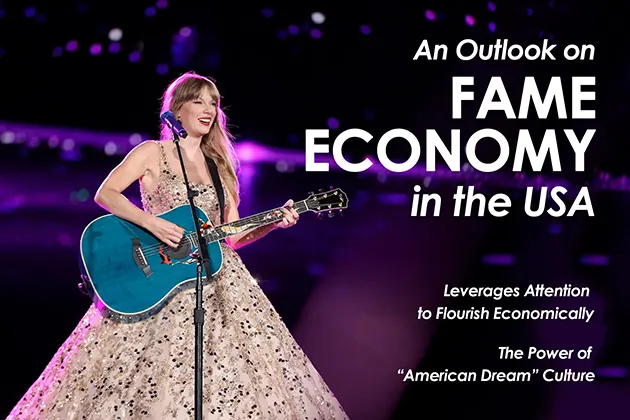
Celebrities are contributing directly to the efficient operation of markets. In a celebrity-driven market, stars project the right image and win fans’ hearts. This, in turn, increases fans’ inclination toward a brand that their favored celebrity endorses. Whether it's Apple or Diet Coke, the famous American pop-singer Taylor Swift’s association with these brands enhanced their market presence, operations, and sustainability.
Moreover, in the United States, celebrity culture is considered a form of capital, with public figures playing the role of conduits to promote products and drive consumer spending on products and services.
Related Articles


Recent Articles




Latest Issue