Best Cloud Security Practices for Enterprise Leaders
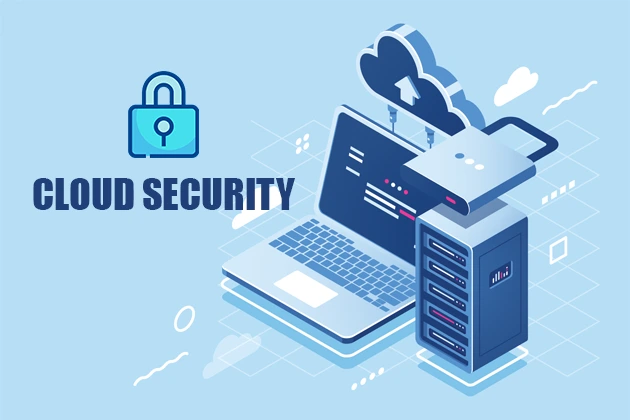
Cloud technology is sweeping through the global business landscape, enabling scalability, flexibility, and efficiency in business operations. Large to small, enterprises of all sizes are embracing this technology, raising concerns for cloud security. Cloud security refers to the technology, controls, and policies organizations implement to protect their cloud environments from unauthorized access, cyber threats, data breaches, and financial losses. Enterprise leaders, standing at the forefront of business operations, must ensure their data is protected when it's in the cloud. Let’s explore cloud security best practices for enterprise leaders that keep an organization’s sensitive information protected from unauthorized access.
What is Cloud Security?
Cloud computing or cloud technology is the delivery of hosted services, including hardware, software, and storage, over the Internet. It is virtually universal among organizations for the wide range of benefits it provides, including flexibility, scalability, rapid deployment, and low costs. Cloud security refers to the policies, technologies, services, and controls that protect cloud data, infrastructure, and applications from cyber threats.
We often think of cloud security as the sole responsibility of the cloud provider. But the responsibility should also be shared with customers. Providers are responsible for safeguarding the cloud infrastructure, access to, configuration, and patching of the physical hosts and physical network on which the compute runs and the storage resides. Customers’ responsibilities include managing users and accessing privileges, the encryption and protection of cloud-based data assets and managing their security postures, and safeguarding cloud accounts from unauthorized access.
Challenges Associated With Cloud Security
Adopting some modern cloud approaches is extremely challenging, including distributed serverless architectures, automated Continuous Integration and Continuous Deployment (CD/CI) methods, and ephemeral assets like Functions as a Service and containers. Below are some of the advanced cloud-native security challenges faced by modern-day cloud-oriented organizations-
1. Lack of Visibility and Tracking
The PaaS and SaaS cloud models lack visibility and control. Cloud customers cannot always identify and quantify their cloud assets, which often leads to cloud security issues.
2. Increased Attack Surface
The public cloud environment has become a lucrative attack surface for hackers. They exploit vulnerable cloud ingress ports to access and disrupt workloads and data in the cloud. Malware, Account Takeover, and other cyber attacks are becoming frequent in public cloud environments.
3. DevOps, DevSecOps, and Automation
Organizations adopting the highly automated DevOps CI/CD culture often ensure that security controls are identified and incorporated in code and templates at the initial stage of the development cycle.
4. Dynamic Workloads
Cloud assets are decommissioned dynamically. Traditional security tools are incapable of enforcing protection policies in such a dynamic environment.
5. Cloud Compliance and Governance
Cloud providers mostly align with most of the well-known accreditation programs. However, it is the customers who are responsible for ensuring that their workload and data processes are compliant. Considering the poor visibility and dynamics of the cloud environment, compliance audit gets extremely difficult.
6. Granular Permissions
Cloud user roles are often configured very vaguely, providing extensive privileges and expanding scopes of unauthorized accessibility to cyber criminals. For example, improperly configured keys of an application can expose sessions to security risks.
Given the challenges associated with cloud computing, enterprise leaders are adopting best practices to secure their cloud environments. Let's have a look at the practices they are deploying to ensure a secure cloud environment.
Top 5 Cloud Security Practices Adopted by Enterprise Leaders
As organizations move more towards data-driven leadership for sustainable growth, their reliance on cloud technology is increasing rapidly. As this reliance on cloud computing increases, leaders are leveraging the best cloud computing practices to ensure the security of their cloud data and infrastructure. Let’s check out the top 5 cloud security best practices that enterprise leaders are adopting in today’s dynamic cloud environment.
1. Deploying the Shared Responsibility Model
Leading cloud service providers, including Google Cloud, Azure, and AWS, deploy a shared responsibility model while confirming cloud security. As mentioned earlier, customers and providers both should share the responsibility of securing the cloud. For IaaS deployment, this includes securing the operating system of any virtual machines through firewall, patching, and enabling virus and malware protection by cloud providers, and management of applications and data by customers.
2. Securing the Cloud Perimeter
SQL injections, cross-site scripting, and data exposure are some of the major security concerns that an OWASP threat detection rules-based web application firewall can detect and protect against. To implement multilayer security guardrails, cloud service providers offer DDoS protection tools to integrate with the application front-end.
3. Using Identity and Access Management
Organizational leaders must use identity and access management (IAM) services suitable for their cloud platform to implement access control to cloud resources. On-premises solutions like Active Directory with cloud-native IAM services can provide users with a seamless single sign-on experience for cloud-hosted workloads.
4. Monitoring the Infrastructure for Misconfiguration
Cloud workloads are the most common result of service misconfigurations. However, with cloud security posture management (CSPM) solutions in an organization’s cloud architecture, leaders monitor for misconfigurations that could disrupt the cloud deployment.
5. Enabling Security Posture Visibility
All leading cloud platforms have an advanced tier of a native CSPM solution that can detect data exfiltration, IAM account hijacks, event threats, crypto mining, and many more. Having such tools in place helps organizations achieve that much-needed visibility into their security posture.
The Silicon Journal has been contributing to the knowledge of industry leaders on such topics. From cloud security to finance management, this business magazine is empowering readers with the latest information on trending industry topics.
Related Articles


Recent Articles



Latest Issue