Active Lifestyle Trend to Follow in 2026 USA
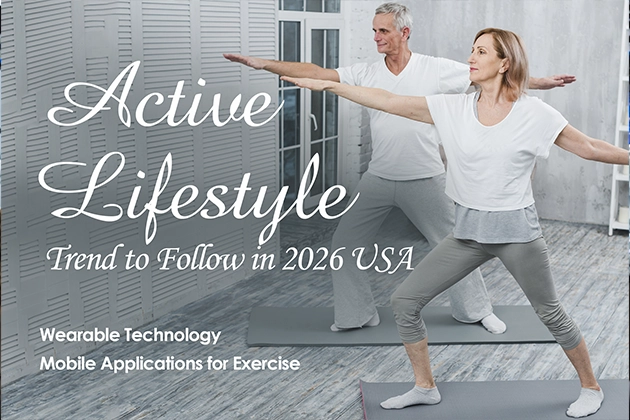
With technological advances and people’s heightened focus on living a healthy life, we have been pushed to be a part of 2026’s fitness movement, either consciously or unconsciously.
‘Health is Wealth’ - the significance of this term has never been as relevant as it is today. We are spending the majority of our time running from morn to evening rather than living the life. With such a hectic daily schedule and living in the post-COVID era, fitness has become more important than ever.
The fitness movement in the USA is turning away from aesthetic-driven, extreme workouts toward a more scientific and holistic approach that prioritizes recovery, prevention, longevity, and mental well-being. A February 2026 study by Statista has revealed a whopping market size of $47 billion of the fitness, health, and gym club industry in the United States of America, with 100,000 businesses operating in the industry. These numbers show the growing interest of the American population toward fitness and health, and how it is redefining the fitness industry in the country.
According to a 2025 survey conducted by the Health & Fitness Association, 86% of Americans say that access to studios, gyms, or other fitness facilities will play an instrumental role in helping them achieve their 2026 fitness goals. As the survey further revealed, as a part of their New Year’s resolution, Americans planned to spend approximately $60 billion in 2026 to support their fitness, exercise, and health goals. Around 82 million Americans have set their fitness goals this year.
With such a significant inclination of the Americans toward health and fitness, 2026 has come with some top fitness trends to determine the course of the fitness movement in the country. As one of the most reputable business magazines in the USA, The Silicon Journal has shed light on the top 10 fitness trends that will reshape the industry. At The CEO Views, we take pride in our approach to explore, review, evaluate, and analyse industry trends and topics to keep our readers one step ahead of the market competition.
The Top 10 Fitness Trends for 2026: Rewriting the Future of Fitness
Cayla R. McAvoy, an ACSM-certified physiologist and lead author of the ‘2026 ACSM Worldwide Fitness Trends: Future Directions of the Health and Fitness Industry’ annual report, has pointed out, “We’ve seen dramatic changes in fitness trends over the last two decades, and this milestone gives us a long-term perspective of how the field has evolved and impacted health and fitness. Over the years, we’ve seen fitness trends tied to childhood obesity, online training during the COVID pandemic, addressing mental health, the rise of fitness technology, medically integrated programs, and active aging.”
As the report highlights the top 10 fitness trends reshaping the future of fitness in the USA, this blog post discusses these trends and their contribution to driving Americans’ shift toward holistic health and fitness.
1. Wearable Technology
The topmost of all the ten fitness trends is wearable technology. It continues to evolve with advanced biosensors capturing indicators such as heart rhythm, blood pressure, crash detection, skin temperature, and blood glucose. This technology is bringing revolution across various areas, from patient rehabilitation to delivering quality care for the older population.
2. Exercise for Managing Weight
This trend of weight management exercise has increased its use in obesity management. As exercise remains an essential tool for long-term weight management, research shows that people who continue to work out during pharmacologic treatment maintain greater fat loss.
3. Fitness Programs for the Older Population
73 million of the American population belongs to the baby boomer generation, who will be over age 65 by 2030. This has accelerated the demand for age-appropriate and evidence-based exercise options for the older population. Fitness studios and gyms have now integrated fitness programs especially designed for this population, extensively increasing their engagement.
4. Balance, Flow, and Core Strength
In the post-COVID era, these ‘balance,’ ‘flow,’ and ‘core strength’ formats have gained momentum along with an increased interest in holistic health and mind-body integration. As a key component of a balanced fitness regimen, this trend is bridging the gap between movement and mental well-being. Fitness professionals adopt these models to help clients improve their mobility, balance, and posture.
5. Mobile Applications for Exercise
With technological advancements, fitness applications have been introduced to deliver live-streamed, on-demand, recorded, or scheduled workouts for users to exercise anytime, anywhere. In 2025, the demand for fitness apps was valued at $2.60 billion, with a projected reach of $2.91 billion in 2026. The majority of the app users are younger, female, and living in urban areas.
6. Mental Health Workouts
Mental Health is more prioritized by Americans in 2026. Every year in the U.S., more than one in five adults report experiencing a mental health condition, which reinforces the importance of movement-based strategies supporting emotional well-being. The majority of individuals who exercise have reported mental well-being as one of the top reasons for working out. It offers an evidence-based, scalable, and practical approach to improve mental health.
7. Data-Powered Fitness Techs
According to the report by ACSM, over 70% of wearable users have reported applying their output data to inform their recovery or exercise strategies. Fitness professionals leverage the biofeedback data gathered through these technologies to tailor intensity and evaluate the readiness of individuals to reduce the risk of overtraining. Biofeedback has become an effective tool in personalizing exercise through real-time insights into the body’s physiological response.
8. Conventional Strength Training
Traditional strength training is less popular among health-conscious Americans, as not all adults meet the required guidelines for muscle-strength activity. These activities are designed to improve endurance, muscular strength, and function, playing a significant role in maintaining metabolic health, mobility, and bone density across the lifespan.
9. Functional Fitness Training
Functional fitness training encompasses power, strength, endurance, and mobility movements that are designed to enhance the physical performance of an individual. This fitness training is ideal for adults, youth, older adults, and athletic populations. The training often involves physical activities such as lunges, squats, and more.
10. Sports and Recreation Clubs
A new addition to the top ten fitness trends, this active lifestyle trend reflects Americans’ growing interest in activities that couple social connection, fun, and flexibility outside the traditional gym setting. The trend includes a rising popularity of recreational clubs, leagues, and other relaxing activities, changing the definition of fitness for the American population.
Related Articles


Recent Articles




Latest Issue